
The Ethics of AI in Branded Video Content
 RenderCutCreator Tips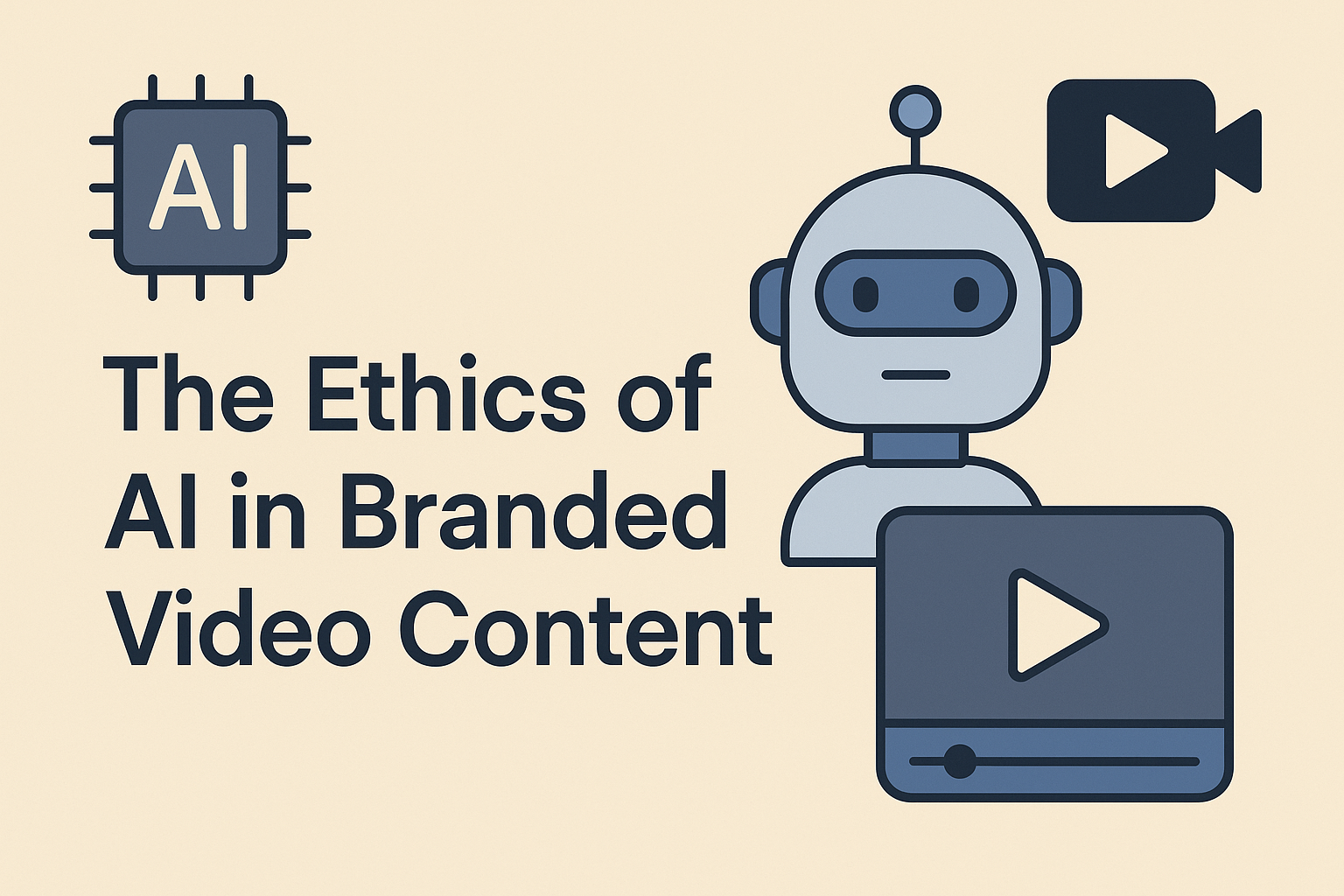
Artificial Intelligence is transforming how brands create video content, making production faster, smarter, and more engaging. Tools like RenderCut streamline editing, automate captions, and enhance storytelling, allowing marketers to focus on creativity and strategy.
As AI becomes central to branded video creation, ethical considerations ensure that content remains authentic, transparent, and respectful of audiences. Balancing innovation with responsibility strengthens brand trust and maintains high standards, making AI not just a tool, but a partner in crafting compelling, responsible visual stories for modern viewers.
AI in Branded Video Content: Opportunities and Benefits
AI in branded video content creates opportunities and benefits by enhancing personalization, improving efficiency, and driving stronger engagement with audiences.
Key Opportunities
- Personalization at Scale: AI enables brands to deliver highly personalized video ads by analyzing user data, behavior, and preferences. For example, dynamic video templates can change text, voice, or visuals in real time for each viewer.
- Content Automation: AI tools streamline video editing, voiceovers, subtitles, and distribution, reducing production time and cost while maintaining consistency.
- Data-Driven Insights: AI-powered analytics track audience responses and optimize videos for better performance across platforms.
Core Benefits
- Higher Engagement: Personalized branded videos capture attention more effectively than generic ads, leading to higher click-through and retention rates.
- Cost Efficiency: Automated editing, script generation, and asset management lower operational costs compared to traditional production.
- Creative Expansion: AI allows experimentation with formats like interactive videos, virtual influencers, or generative visuals, opening new creative directions.
- Global Reach: Multilingual AI voiceovers and real-time translation make branded video content accessible to diverse markets.
Ethical Concerns in AI Video Content
Ethical concerns in AI video content focus on how technology shapes trust and fairness. Authenticity is one challenge, as AI tools can create videos that look real but might mislead audiences. Bias and representation also matter, because AI models often learn from imperfect data, which can unintentionally highlight stereotypes or exclude certain groups.
Transparency plays a key role, as viewers deserve to know when AI is used in creating media. Manipulation is another concern, especially with deepfakes or edits that change voices and visuals in ways that can confuse or misinform. These issues highlight the responsibility that comes with AI-driven creativity.
Legal and Copyright Considerations
Legal and copyright considerations in AI-generated content focus on three main areas. First, ownership of AI-generated content is still debated. In most cases, the creator who directs the AI or the company using it may hold rights, but laws differ by region.
Second, the rights of original creators and media sources must always be respected, especially when AI tools are trained on copyrighted works like music, images, or written text. Third, the use of AI-generated visuals, audio, or text in branded videos can raise issues if the content closely copies existing works. Brands need to understand these rules to ensure safe and fair use of AI outputs.
Best Practices for Ethical AI in Branding
Best practices for ethical AI in branding focus on openness, fairness, and consistency. Brands should clearly disclose when AI is used in creating content so audiences know the role of technology. AI works best as a supportive tool that enhances human creativity instead of replacing it.
Teams need to regularly review AI outputs to make sure they are accurate, unbiased, and aligned with ethical standards. At the same time, maintaining a brand’s unique voice and values is important, so AI-generated content feels authentic and trustworthy. By following these practices, businesses can build stronger connections and foster lasting trust with their audience.
Future of Ethical AI in Video Marketing

Global standards such as ISO/IEC 42001 for AI management systems and the EU AI Act are shaping clear rules for disclosure, consent, bias testing, and audit trails. AI will boost creativity by generating storyboards, voiceovers, and variations while keeping sources cited, rights cleared, and human editors in control.
Platforms like RenderCut can lead to responsible use by offering watermarking, usage logs, opt-in data policies, and bias checks that are easy to understand. This lets brands scale content, personalize responsibly, and keep trust intact. You get faster production, richer ideas, and clear proof of how the content was made, all aligned with emerging guidelines.
FAQs (People Also Ask)
Can AI-generated videos mislead audiences?
AI-generated videos can create highly realistic visuals and voices. Studies show viewers often believe them as real, so clear labeling helps maintain trust and transparency in media.
Do brands need to disclose AI usage in marketing videos?
Many regulations encourage brands to disclose AI usage. Transparency builds trust, and research shows 72% of consumers prefer knowing when content is AI-generated.
How can AI improve video efficiency without ethical risks?
AI streamlines editing, automates captions, and generates visuals quickly. Research shows it can reduce production time by up to 50% while keeping content accurate and clear.
Are there copyright issues with AI-generated visuals or music?
AI-generated visuals and music may involve copyright questions if trained on protected works. Courts are exploring rights, and proper sourcing ensures compliance and legal clarity.
Conclusion
The ethics of AI in branded video content demand careful attention as technology transforms storytelling. AI offers efficiency, personalization, and creative possibilities, yet brands hold the responsibility to ensure transparency, authenticity, and fairness.
Balancing innovation with ethical standards strengthens audience trust and brand credibility. Tools like RenderCut enable creators to harness AI responsibly while maintaining integrity.
By adopting AI thoughtfully, brands can craft engaging content that resonates ethically and meaningfully, setting a standard for innovation without compromising trust. Take action now to lead with responsible creativity.